


Assisting with the engineering phase for production: what are the advantages and disadvantages?
In many development processes, collaboration only begins once the design has been finalised. The drawings have been completed, the specifications have been determined, and the question is whether the product can be manufactured. However, it is precisely at this stage that friction often arises between design and practice.
An interview with Erik, assistant foreman at Pillen, reveals that many of the drawings submitted raise questions because they do not take sufficient account of manufacturability, costs or series stability. This raises a broader question: what are the benefits and costs of involving a manufacturing company in the design and engineering phase?
The practice behind the drawing
Designs are becoming increasingly detailed and technical. At the same time, practical manufacturing knowledge is becoming increasingly distant from the design process. Engineers work with models, tolerances and simulations, while the translation to machines, clamping and measuring methods is only made later.
These worlds come together in production. It then becomes apparent that a design is technically feasible, but only with complex processes, expensive materials or a high risk of errors. This can have a major impact on cost price and lead time, especially in series production.
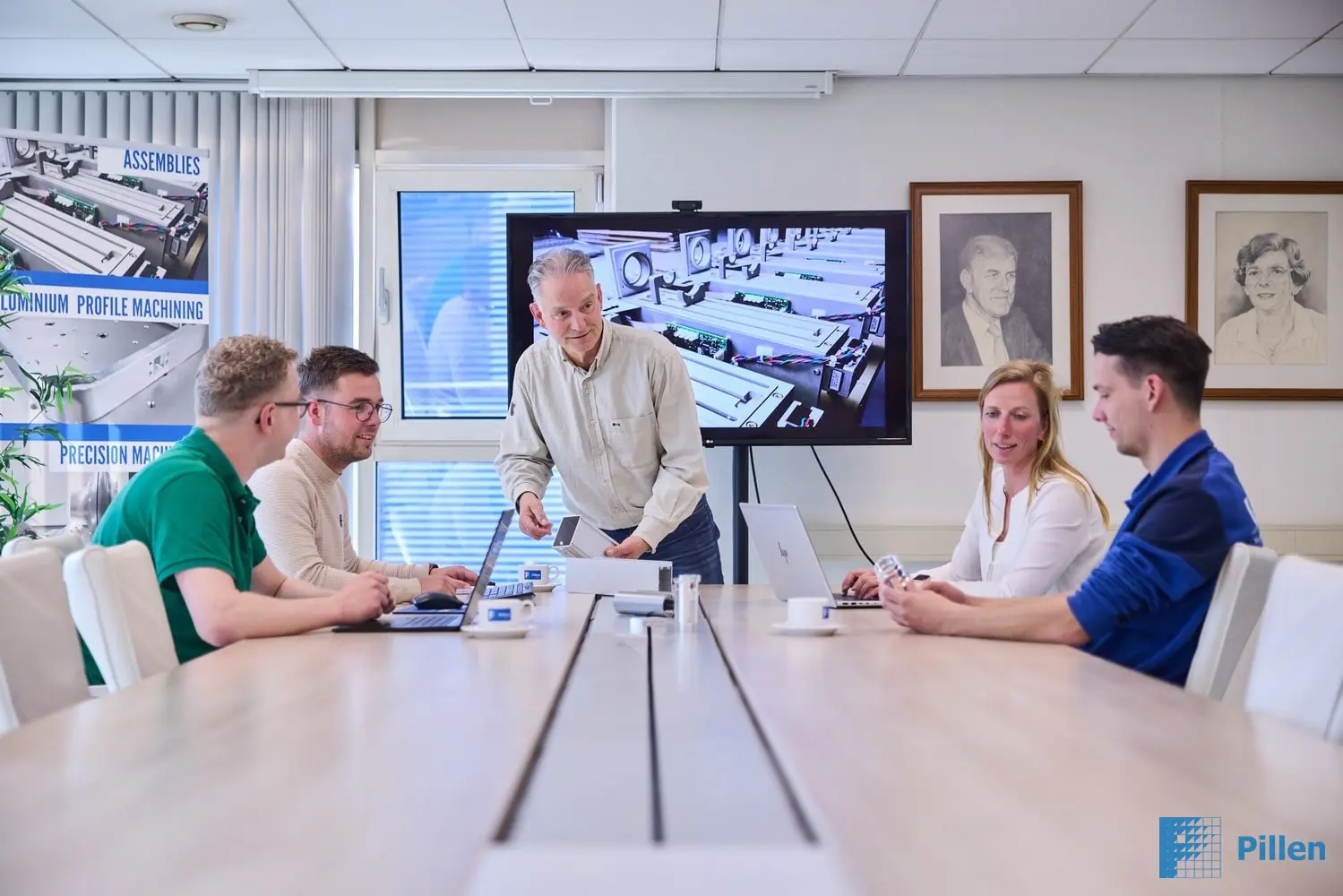
According to Erik, this is precisely the moment when a supplier can add value by testing the design against the realities of production. Because it is necessary to get a clear picture of what is functionally necessary and where there is room for improvement.
“By getting involved at an earlier stage, you can link wishes and ideas to what is really needed in practice to make a product good and affordable.”
The advantages of early involvement
The biggest advantage of assisting in the engineering phase is that manufacturability becomes part of the thought process. A manufacturing company contributes knowledge about material behaviour, processing sequence, tolerances and measurement strategies. That knowledge helps to make more informed choices.
This may mean that requirements are adjusted, but it may also mean that alternative production methods come into the picture. For example, a design that was originally milled from solid material may prove to be suitable for extrusion or another preform. The functionality remains the same, while production time and material loss are greatly reduced.
Although this requires additional coordination at the outset, it often prevents later adjustments, production downtime or costly redesigns. In the longer term, this saves time and money.
The downside: extra complexity and dependency
At the same time, this way of working together also has its drawbacks. Involving an external party at an early stage requires openness and trust. Design choices are sometimes not yet finalised and must be shared before they are definitive. In addition, technical input from production can be complex for designers. Manufacturing companies think in terms of machines, measuring equipment and clamping devices. This way of thinking does not always fit seamlessly with the design world, which can lead to misunderstandings if communication is insufficient.
Another point to consider is that manufacturing companies may unconsciously base their reasoning on their own machinery or fixed material choices. This makes it important to choose a partner with broad experience who is able to provide independent advice.
The importance of structure and transparency
Structure is essential to limit these risks. Clear agreements, documented choices and transparent communication help to manage expectations. In practice, this is achieved, for example, by working in accordance with ISO standards and through multidisciplinary consultations that bring together production, work preparation and measurement.
Direct communication also plays an important role. Short lines of communication between engineering and production ensure that questions are answered quickly and assumptions are discussed in a timely manner. This can be done digitally, but also by visiting each other on site and reviewing the process together.
Balance between design freedom and manufacturability
Assisting with design and engineering does not mean that design freedom disappears. It does mean that choices are made more consciously. What is really necessary for the product’s function? And what is mainly certainty or habit?
By asking these questions early on, you create a design that is not only technically sound, but also robust, reproducible and economically feasible. This requires effort on both sides, but prevents many problems further down the line.
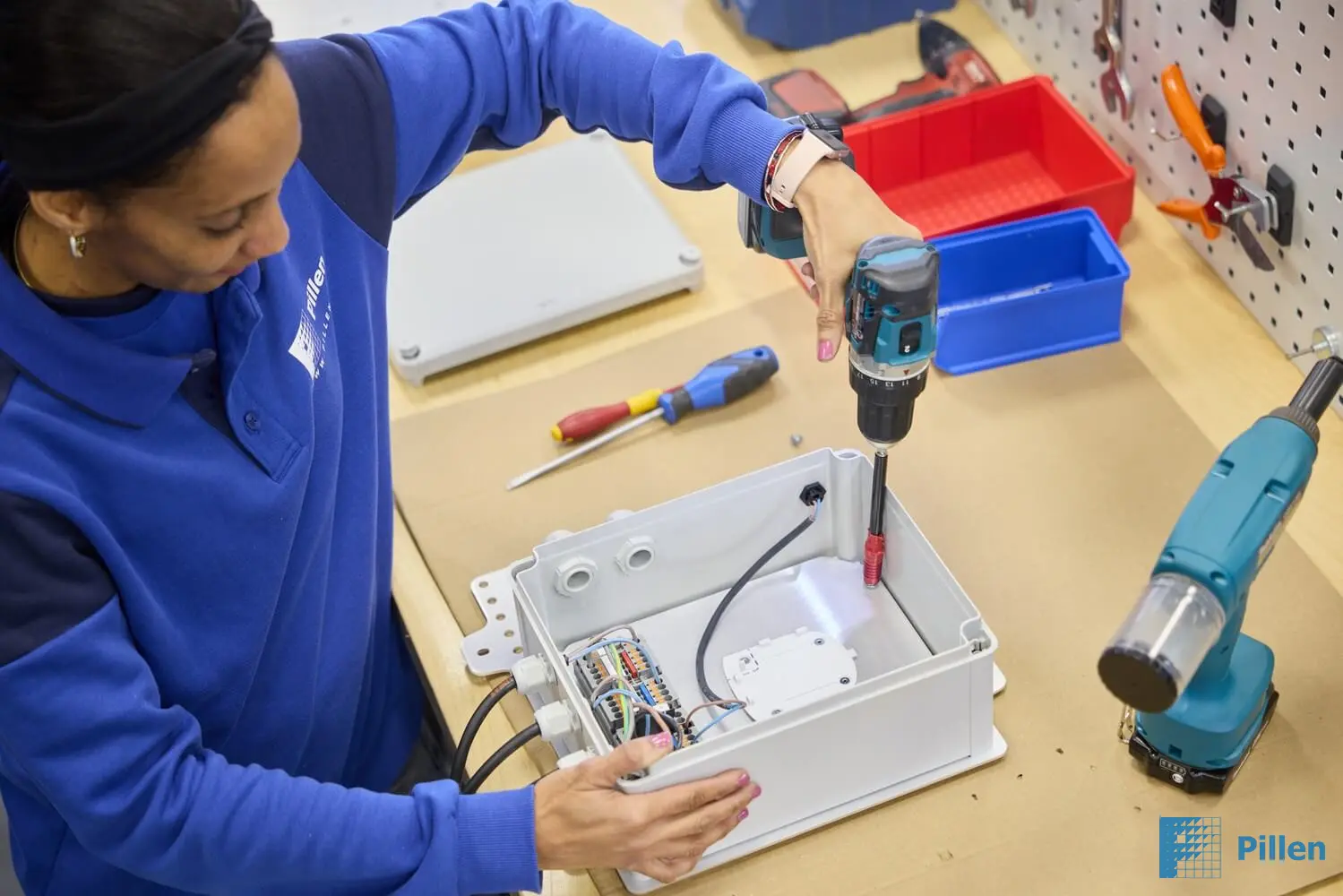
Practical experience shows that manufacturing companies can use this to grow from supplier to partner. Not by taking over the design, but by enhancing it with knowledge from the production environment.
Challenge
Do you have any questions about our tips? Or would you like to discuss your product? Please contact us to make an appointment.